
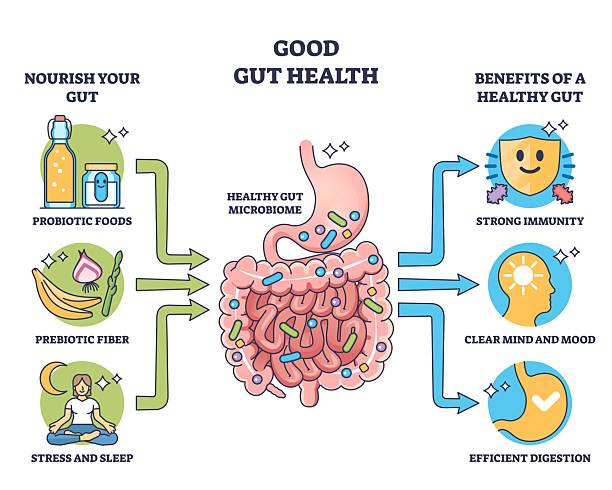
Gut health has become one of the biggest wellness topics in recent years — and for good reason. Your gut does much more than digest food. It plays a role in your immune system, energy levels, sleep, mood, metabolism, and even how you feel day to day. That is why so many people are now asking how to improve gut health naturally.
The good news is that you do not need a complicated routine or expensive supplements to support your digestive system. In many cases, better gut health starts with very simple changes in your everyday habits. The way you eat, sleep, move, hydrate, and manage stress all influence the environment inside your gut.
If your digestion feels off, if you often feel bloated, sluggish, uncomfortable, or irregular, your body may be asking for a few healthier routines. The best part is that small, consistent habits often make the biggest difference over time.
In this article, we will explore how to improve gut health naturally with realistic and beginner-friendly lifestyle changes that can support your body from the inside out.
Why Gut Health Matters More Than You Think
Your gut is home to trillions of microorganisms, often called the gut microbiome. These bacteria and microbes help with digestion, nutrient absorption, immune function, and many other important processes in the body.
When your gut is well-supported, you may notice benefits such as:
- Better digestion
- Less bloating and discomfort
- More regular bowel movements
- Improved energy
- Better sleep and mood
- Stronger immune support
Research also continues to show strong links between diet, exercise, sleep, and the gut microbiome, which means your daily lifestyle matters more than any “quick fix.”
That is exactly why learning how to improve gut health naturally is such a smart and sustainable approach.
1. Eat More Fiber-Rich Foods
If you want to improve your gut naturally, fiber is one of the best places to start.
Fiber helps support healthy digestion and also acts as food for beneficial gut bacteria. Foods like vegetables, fruits, legumes, whole grains, nuts, and seeds help nourish your gut in a natural way. Prebiotic fibers in particular help beneficial bacteria grow and thrive.
Best fiber-rich foods for gut health:
- Oats
- Apples
- Bananas
- Lentils
- Chickpeas
- Beans
- Chia seeds
- Flaxseeds
- Broccoli
- Carrots
- Leafy greens
If your current diet is low in fiber, increase it slowly and drink enough water to help your body adjust comfortably.
2. Include More Naturally Fermented Foods
Fermented foods can help support gut health by introducing beneficial bacteria into your diet.
These foods are not magic on their own, but they can be a useful part of a balanced routine.
Examples of gut-friendly fermented foods:
- Curd or yogurt
- Buttermilk
- Kefir
- Kimchi
- Sauerkraut
- Fermented pickles (naturally fermented, not just vinegar-based)
- Idli and dosa batter-based foods
Probiotic-containing foods may help support the balance of your gut environment, especially when paired with a healthy overall lifestyle. Some probiotic strains have also shown potential benefits for stress and sleep, which can indirectly support gut health too.
3. Drink Enough Water Every Day
Hydration is one of the most overlooked parts of digestive health.
Water helps your digestive system function smoothly and supports the movement of food and waste through the body. If you are dehydrated, digestion can feel slower and less comfortable.
Simple hydration tips:
- Start your day with a glass of water
- Keep a bottle nearby
- Sip water between meals
- Eat water-rich foods like cucumber, oranges, and watermelon
If you are trying to figure out how to improve gut health naturally, proper hydration should absolutely be part of your routine.
4. Reduce Ultra-Processed Foods
One of the fastest ways to support your gut is not just by adding good things — but also by reducing what does not help.
Highly processed foods that are loaded with excess sugar, additives, and low-quality fats may not support a healthy gut environment as well as whole foods do.
Foods to reduce when possible:
- Sugary packaged snacks
- Excess soft drinks
- Deep-fried fast foods
- Highly processed ready-to-eat meals
- Artificially flavored junk foods
This does not mean you need a perfect diet. It simply means trying to make whole, home-style food the base of your daily eating pattern.
5. Sleep Better and More Consistently
Most people do not connect sleep with digestion, but the connection is real.
Irregular sleep and poor sleep quality can affect your gut microbiome, while a healthy gut may also support better sleep through the gut-brain axis. Regular sleep schedules and consistent meal timing appear to help support a healthier microbial rhythm.
Simple sleep habits that may help your gut:
- Sleep and wake at similar times daily
- Avoid heavy late-night meals
- Reduce screen time before bed
- Keep caffeine earlier in the day
- Create a calm nighttime routine
If you are serious about how to improve gut health naturally, better sleep is not optional — it is foundational.
6. Move Your Body Regularly
Exercise does not only help your heart and muscles — it also supports gut health.
Moderate, regular movement has been associated with beneficial changes in the gut microbiome and may support digestion, stress management, and sleep quality. Extremely intense exercise without recovery, however, can sometimes be hard on the gut, so consistency matters more than intensity.
Gut-friendly movement ideas:
- Brisk walking
- Cycling
- Light jogging
- Yoga
- Stretching
- Strength training
- Dance or home workouts
Even 20 to 30 minutes of daily movement can make a meaningful difference over time.
7. Manage Stress More Intentionally
Stress and gut health are closely linked. You have probably noticed that your digestion feels different when you are anxious, overwhelmed, or mentally exhausted.
That is because your gut and brain are deeply connected.
Simple ways to reduce daily stress:
- Deep breathing
- Meditation
- Journaling
- Spending time outdoors
- Limiting overstimulation
- Taking regular screen breaks
- Slowing down meals
When people ask how to improve gut health naturally, stress management is often one of the missing pieces.
8. Chew Your Food Properly and Eat More Slowly
Healthy digestion starts before food even reaches your stomach.
When you eat too fast, you may swallow more air and put more pressure on your digestive system.
Better eating habits for digestion:
- Sit down while eating
- Avoid rushing meals
- Chew thoroughly
- Put your phone away when possible
- Notice when you feel full
This small habit can reduce bloating and help your body digest food more comfortably.
9. Support Your Gut with Prebiotic Foods
Prebiotics are specific types of fibers that help feed beneficial gut bacteria.
They are one of the easiest natural tools for improving gut health.
Good prebiotic foods include:
- Garlic
- Onion
- Leeks
- Oats
- Bananas
- Apples
- Asparagus
- Legumes
Research continues to support prebiotic-rich eating patterns as helpful for gut microbial balance and broader wellness.
10. Be Careful with Unnecessary Antibiotic Use
Antibiotics can be essential when truly needed, but they can also disrupt the gut microbiome.
That does not mean you should avoid prescribed antibiotics when your doctor says you need them. It simply means you should avoid taking them casually or without medical guidance.
After antibiotics, many people benefit from returning to simple gut-supportive habits like fiber, hydration, fermented foods, and regular meals.
11. Create a More Regular Eating Routine
Your gut often responds well to rhythm and consistency.
Eating at wildly inconsistent times, skipping meals often, or constantly snacking late into the night may not feel great for digestion.
Helpful routine ideas:
- Eat meals at roughly similar times
- Avoid very heavy late-night eating
- Leave some space between meals
- Build balanced plates with protein, fiber, and healthy fats
Consistent eating patterns may also support your body’s circadian rhythm, which appears to matter for gut health too.
12. Start Small Instead of Trying to Fix Everything at Once
One of the biggest mistakes people make is trying to overhaul everything in a single week.
If you truly want to know how to improve gut health naturally, the answer is not perfection. It is consistency.
A better beginner plan looks like this:
Week 1: Drink more water
Week 2: Add one fiber-rich food daily
Week 3: Walk 20 minutes most days
Week 4: Improve sleep timing
Week 5: Add one fermented food a few times a week
That kind of steady progress usually works much better than extreme routines.
Signs Your Gut Health May Be Improving
As your habits improve, you may start to notice changes such as:
- Less bloating
- More regular digestion
- Better energy
- More comfortable meals
- Improved mood and sleep
- Fewer digestive ups and downs
Keep in mind that gut health is not something you “fix” overnight. It is something you support consistently.
Final Thoughts
If you have been wondering how to improve gut health naturally, the answer is simpler than it may seem. Your gut responds best to the basics: better food, more fiber, enough water, regular movement, quality sleep, less stress, and a little consistency.
You do not need to chase every trend or buy every supplement. In most cases, your body benefits most from practical daily habits that support digestion in a gentle, sustainable way.
So start small, stay consistent, and give your body time. A healthier gut often begins with the simplest choices you make every day.